




Mindset Skills for Kids:
Framework for Empowering Children
Mindset skills for kids are the thinking, emotional, and decision-making skills that help children build confidence, self-esteem, resilience, self-leadership, and personal responsibility.
This page is designed for coaches, educators, and parents who want to understand what mindset skills for kids are and how they can be intentionally developed.
The mindset skills shared on this page are research-based and developmentally appropriate, and are taught through a non-clinical, coaching-based approach designed to support children’s growth outside of therapy or medical treatment.
Since 2013, Adventures in Wisdom has been helping children develop these skills through story-based life coaching that supports how children think, feel, respond to challenges, and work toward their goals.
One of the most comprehensive examples of mindset skills in action is the 27 mindset skills taught through The Adventures in Wisdom Life Coaching for Kids Curriculum (2010). These skills are designed to support children’s social and emotional development in a way that is engaging, age-appropriate, and easy to apply in real life.
While mindset skills for kids can continue to expand as research and practice evolve, the 27 skills outlined on this page represent a complete, structured framework currently taught through The Adventures in Wisdom Life Coaching for Kids Curriculum.
The 27 skills are taught through coaching stories, guided conversations, and hands-on activities that help children understand how their minds work, how thoughts influence feelings and behavior, and how to use these skills in everyday situations. They are intentionally organized through the WISDOM System for Coaching Kids™ which supports five key areas of development and helps skills build on one another over time.
Together, these mindset skills create a practical, developmentally appropriate framework that helps children navigate challenges, make empowered choices, build confidence and self-esteem, develop self-leadership, and move toward their goals with clarity and confidence.
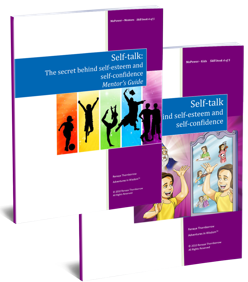
Each skill is taught through a skill book using the STORY Coaching Process.
Each skill book has a Mentor’s Guide with background information and coaching tips for the coach and a Children’s Guide that the coach uses and contains the coaching story, discussion questions, and activities.
The skill is introduced to the child through the coaching story. Then under the coach’s guidance they discuss the story and explore an activity which gives children an opportunity to apply what they are learning to their own lives. This makes learning engaging, memorable, and fun.
The Adventures in Wisdom Life Coaching for Kids Curriculum and the 27 mindset skills were created by Renaye Thornborrow, founder of Adventures in Wisdom, and are taught by certified WISDOM Coaches.
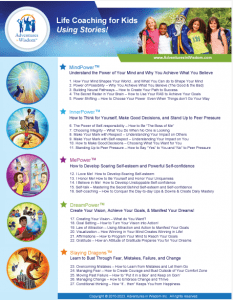
Here is a 1-page overview of the 27 skills certified WISDOM Coaches can support children in developing.
Below is an in-depth look at the 27 mindset skills children develop through this curriculum, organized by each segment of the WISDOM System.
MindPower™ – Understanding the power of your mind and why you achieve what you believe
MindPower™ helps children understand how their minds work and why mindset matters. This segment lays the foundation for all the skills that follow by teaching children that their thoughts shape their experiences and that they have the power to choose thoughts that support confidence, happiness, and success.
Through MindPower™, children learn the brain science behind belief systems, how thoughts become habits, and how they can intentionally create new ways of thinking. When children understand why mindset skills work, they feel more confident using them in real life.
Skill Book 1: How Your Mind Shapes Your World and What You Can Do to Shape Your Mind
Story: Who’s Flying Your Plane?
Just like an airplane takes us where we want to go on vacation, our mind takes us where we want to go in life. In this skill book, children learn how their mind shapes their world and what they can do to shape their mind. They learn that their mind has two parts, the conscious mind and the subconscious mind, and that both influence how they experience life. Through the story Who’s Flying Your Plane?, children discover how beliefs act like an “autopilot” guiding their thoughts, feelings, and actions. Guided coaching conversations help children recognize beliefs that may be holding them back and explore how to choose more supportive beliefs. Experiential activities give children a chance to practice shaping their thoughts so they feel more empowered when facing challenges.
Skill Book 2: Power of Possibility – Why You Achieve What You Believe
Story: Power of Possibility
Our dreams live outside of our comfort zone. This skill helps children understand that they achieve what they believe! Children learn how belief systems create their comfort zone and limit what feels possible.
Through the story Power of Possibility, children see how choosing empowering beliefs allows them to move through fear, handle mistakes, and try new things, even if they’ve struggled in the past.
Coaches guide children in identifying beliefs that expand possibility rather than restrict it. Children then practice applying these ideas to real situations and exploring what is possible for them!
Skill Book 3: Building Neural Pathways – How You Create Your Path to Success
Story: Pathway to Success
Just like learning to ride a bike or try something new can feel scary at first, children often feel nervous or anxious when they step outside their comfort zone.
In this skill, children learn that neural pathways in the brain determine what feels familiar, comfortable, or challenging, and why doing something new can trigger anxiety.
Through the story Pathway to Success, children discover how preparing their brain reduces nervousness and builds confidence, especially when working toward big goals. The coaching process helps children connect this idea to real situations in their own lives where they feel anxious or uncertain. Hands-on activities allow children to experience how consistent effort creates new “paths” for success and makes hard things feel easier over time
Skill Book 4: The Secret Radar in Your Brain – How to Use Your RAS to Achieve Your Goals
Story: Your Radar for Success
Children discover that they have their own personal radar to help them achieve their goals. This skill introduces children to the Reticular Activating System (RAS) of their brain and how it filters information. Through the story Your Radar for Success, children learn that when they clearly identify what they want, their brain begins to notice opportunities that support those goals. Coaches help children connect affirmations and goal-setting to how the brain works. Children then create a visual representation of their own “radar,” reinforcing how focus influences results.
Skill Book 5: Power Shifting – How to Choose Your Power Even When Things Don’t Go Your Way
Story: Power Goggles®
When something goes wrong, it’s easy for children to feel frustrated or get down on themselves. In this skill, children learn that while they can’t always control what happens, they can choose how they respond to it.
Through the story Power Goggles®, children discover how their thoughts shape their experience and how shifting their thoughts can change how they feel about the situation and influence the actions they take. This shift can help a child feel more empowered – restoring a sense of calm and control.
The coaching process helps children practice Power Shifting in real-life situations, such as conflicts with friends, school frustrations, or unexpected disappointments. Guided activities allow children to experience how changing their thoughts can immediately shift emotions and help them respond with greater confidence and resilience.
InnerPower™ – How do you think for yourself, make good decisions, and stand up to peer pressure
InnerPower™ helps children develop their inner compass which is the ability to decide who they want to be and how they want to show up in the world, even when faced with peer pressure, uncertainty, or difficult choices.
As children grow, one of the greatest challenges they face is learning how to make decisions that align with their values while navigating friendships and social pressure. InnerPower™ addresses this challenge early, before children encounter more intense pressures in high school.
Through this segment, children develop self-leadership skills. They learn to define who they want to be at a character level by developing four foundational values of self-leaders: self-responsibility, integrity, respect, and self-respect. These values become a guide for their choices, helping children understand that they are capable of making decisions that support both their confidence and their well-being.
InnerPower™ also teaches children a practical process for making good decisions before they are in high-pressure situations. Children learn how to identify 5 different types of peer pressure and practice saying “no” to others while confidently saying “yes” to themselves. By building InnerPower™, children gain skills they can use for the rest of their live, because the best time to prepare children for life’s challenges is before those challenges arrive.

Skill Book 6: The Power of Self-Responsibility – How to Be “The Boss of Me”
Story: Victim Victor Finds His Power
When children feel like life is happening to them, they often feel frustrated and powerless. In this skill, children learn that taking 100% responsibility for their lives is their ultimate power.
Through the story Victim Victor Finds His Power, children discover that they get to choose who they want to be, what they think, how they feel, how they act, and what they want to create in their lives. They learn what it means to be “the boss of me” and how responsibility gives them control rather than taking it away.
The coaching process helps children identify where they can take more responsibility so that they feel more confident, capable, and empowered. This process has transformed how many children experience homework, household responsibilities, and other areas of their lives!
Skill Book 7: Choosing Integrity – What You Do When No One Is Looking
Story: No One Will Know Nelson
When children face small choices that feel easy to justify, they may not realize how much those moments shape who they are becoming. In this skill, children learn that integrity means doing the right thing even when no one else is watching and even when it feels uncomfortable.
Through the story No One Will Know Nelson, children discover that when they live their lives with integrity, they learn to trust themselves and that others will trust them too. Children begin to understand that their words matter, even if they are the only person who hears them. This builds powerful confidence and self-esteem because children experience themselves as someone who keeps their word.
The coaching process helps children explore real-life challenges to integrity, including moments when integrity feels difficult or has already been broken. Children learn how to recognize those moments, repair broken integrity, and make new choices moving forward.
Skill Book 8: Make Your Mark with Respect – Understanding Your Impact on Others
Story: Make Your Mark with the Golden Rule
Children don’t always realize the impact they have in their everyday interactions. In this skill, children learn that every time they are with someone, they leave a “mark”, a gold heart or a grungy mark, based on how they treat them.
Through the story Make Your Mark with the Golden Rule, children discover that respect means treating others the way they would want to be treated. They learn that when they use manners and treat others with kindness, they leave “gold hearts” everywhere.
The coaching process helps children reflect on how they interact with friends, family members, and classmates and invites children to give gold hearts to the people in their lives. Children are also encouraged to bring this lesson home by teaching the power of gold hearts to their family!
Skill Book 9: Make Your Mark with Self-Respect – Understanding Your Impact on You
Story: My “Mark” on Me
Children are often taught how to be kind to others, but far less often how to treat themselves with the same care. In this skill, children discover the second half of the Golden Rule: self-respect.
Through the story My “Mark” on Me, children learn that self-respect means giving themselves a “gold heart.” It means standing by their values and treating themselves with the same kindness, patience, compassion, and understanding they would offer to a best friend, favorite teacher, or trusted adult. Children begin to see how their self-talk, choices, and boundaries create a lasting “mark” on how they feel about themselves.
The coaching process helps children recognize moments when they may be hard on themselves or ignore their own needs. Experiential activities invite children to practice creating gold hearts for themselves, reinforcing that choosing self-respect builds powerful self-esteem and inner confidence they can carry with them every day.
Skill Book 10: How to Make Good Decisions – Choosing What You Want for You (and the 4 C’s of Decision Making)
Story: Charlie Chooses Charlie
When children are very young, parents naturally make all of their decisions for them. But as children grow, the goal is not to keep making decisions for them, but to teach them how to make good decisions for themselves.
Decision-making works like a slider. As children get older, the amount of decisions parents make slowly moves from 100% down to 0%. By the time children leave home, they should feel prepared and confident in making their own thoughtful values-based decisions.
Making decisions is a skill and in this skill book, children learn why knowing what they believe and what they want for themselves ahead of time makes decision-making easier. Through the story Charlie Chooses Charlie, children discover the importance of choosing their own values and priorities before they are faced with challenging or high-pressure situations.
The coaching process helps children think through key areas of their lives and practice making choices that align with what matters most to them. Using the Four C’s of Decision Making, children are guided step by step through a simple, repeatable process they can use when making decisions now and in the future. Guided practice helps children build confidence in choosing for themselves rather than reacting in the moment.
Skill Book 11: Standing Up to Peer Pressure – How to Say “Yes” to You and “No” to Peer Pressure
Story: Copycat Cathy
Wanting to fit in is a natural part of growing up, but peer pressure can make it hard for children to stay true to themselves. In this skill, children learn that knowing what they stand for and choosing what they want for themselves, gives them the confidence to say “yes” to who they are and “no” to pressure that doesn’t align with their values.
Through the story Copycat Cathy, children explore how easily it can feel to follow along with others, even when something doesn’t feel right. The story creates a safe, relatable starting point for understanding why peer pressure happens and how it can influence choices.
As part of the skill book, children are then introduced to five different types of peer pressure and learn how each one can show up in real-life situations. Coaching conversations help children brainstorm examples for each type so they can recognize peer pressure when they hear it, rather than being caught off guard in the moment.
Children also learn and practice different “no” statements they can use when faced with pressure from others. Each child chooses two or three responses that feel natural and empowering to them. Role-playing and repeated practice are a critical part of this skill, helping children build confidence and prepare for challenging situations before they happen.
MePower™ – How to build soaring self-esteem and Powerful self-confidence
MePower™ helps children develop a strong, healthy relationship with themselves so that their confidence and self-esteem come from the inside of themselves and not from approval, comparison, or performance.
As children grow, it’s easy for how they feel about themselves to rise and fall based on grades, friendships, mistakes, or what others say. MePower™ teaches children that they don’t have to earn their worth. Instead, they learn how to build self-esteem by understanding who they are, honoring their uniqueness, and learning how to support themselves through life’s ups and downs.
Through this segment, children learn how self-talk shapes how they feel and what they believe is possible. They discover that the way they speak to themselves matters and that they can choose thoughts and words that build confidence rather than tear it down. Children also learn how courage and self-confidence are created through awareness, practice, and daily choices.
MePower™ also introduces children to self-coaching, a practical skill they can use to check in with themselves, stay focused, and respond to challenges with intention.
By building MePower™, children develop tools they can use every day to feel more capable, resilient, and confident in who they are, no matter who they are with or what life brings.
Skill Book 12: I Love Me! – How to Develop Soaring Self-Esteem
Story: Yucky Me! Yahoo Me!
Many children don’t realize that how they feel about themselves is something that they can choose! This skill book creates eye-opening aha moments as children learn that self-esteem isn’t something decided by mistakes, grades, or other people’s opinions. It’s a choice they get to make every moment of every day.
Through the story Yucky Me! Yahoo Me!, children see how different ways of thinking about themselves create very different emotional experiences. The story helps children recognize when they are choosing “yucky” thoughts about themselves and how they can shift toward more empowering “yahoo” thoughts.
The skill book includes a child-friendly self-assessment that helps children better understand how they feel about themselves in different areas of their lives and in different situations. Coaching conversations and activities guide children in practicing self-esteem as a daily choice, reinforcing confidence, self-worth, and emotional resilience.
Skill Book 13: I Honor Me! – How to Be Yourself and Honor Your Uniqueness
Story: The Sun, The Wind, and The Rain
Many children compare themselves to others wondering if they are better than, less than, or somehow not enough. In this skill, children learn that comparison can crush their self-esteem by pulling their focus away from what makes them uniquely themselves.
Through the story The Sun, The Wind, and The Rain, children discover that each character’s strength comes from being exactly who they are – honoring their uniqueness and the uniqueness of others. The story powerfully illustrates that when children stop comparing themselves to others, they can begin to recognize and appreciate their own gifts, talents, and contributions.
The coaching process helps children identify how comparison shows up in their own lives and how it affects the way they see themselves. Hands-on activities invite children to practice honoring their own uniqueness while also recognizing and appreciating what is special about others.
Skill Book 14: I Believe in Me! – How to Develop Unstoppable Self-Confidence
Story: Canville and Cantville – A Tale of Two Towns
Many children struggle with self-doubt, especially when something feels hard or they’ve “failed” before. In this skill, children learn that confidence is not something you’re born with, confidence is a skill that can be developed through the thoughts you choose and the actions you take – stretching outside your comfort zone and creating new neural pathways.
Through the story Canville and Cantville – A Tale of Two Towns, children experience how believing “I can” or “I can’t” creates two very different outcomes. The story powerfully illustrates how confidence grows when children focus on effort, possibility, and learning rather than fear and limitations.
The coaching process helps children recognize moments when self-doubt shows up and guides them in choosing thoughts that support courage and confidence. Experiential activities give children opportunities to proactively practice stretching outside of their comfort zone and believing in themselves, reinforcing that confidence is created through practice, persistence, and an “I can do it” mindset!
Skill Book 15: Self-Talk – Mastering the Secret Behind Self-Esteem and Self-Confidence
Story: Choosing Your BFF (Best Friend Forever)
Every moment of every day our children are saying something to themselves through their thoughts and through their words. And often those thoughts tear them down.
In this skill, children learn that the voice they hear most often is their own and that how they talk to themselves has a powerful impact on how they feel about themselves and what they believe they can do.
Through the story Choosing Your BFF (Best Friend Forever), children discover that their inner voice can either act like a supportive best friend or a critical bully. The story helps children recognize how negative self-talk affects their confidence and self-esteem, and how choosing kind, encouraging self-talk can change how they experience themselves and the situations in their lives.
The coaching process helps children become aware of their self-talk in everyday situations and practice choosing words they would use with a trusted friend. Hands-on activities give children powerful opportunities to learn how to identify and shift negative self-talk and proactively create supportive self-talk designed to strengthen confidence, self-esteem, and emotional resilience.
Skill Book 16: Self-Coaching – How to Conquer the Day-to-Day Ups & Downs and Create Daily Mastery
Story: Migration Frustration
Every child faces days that don’t go as planned. Mistakes, frustrations, and obstacles can feel overwhelming in the moment. In this skill, children learn that challenges are opportunities to pause and choose a better next step.
Through the story Migration Frustration, children follow three birds as they migrate south for the winter and encounter unexpected obstacles along the way (many of them created by their own choices). The story shows children that setbacks are a natural part of learning and that they can coach themselves through frustration by adjusting their approach.
The coaching process introduces children to three areas they can self-coach on each day: their character (Am I being self-responsible? Am I choosing integrity? Am I leaving gold hearts?), their attitude, and their achievements. Guided activities give children opportunities to practice self-coaching in real-life situations, reinforcing that daily mastery comes from awareness, responsibility, and intentional choices.
DreamPower™ – Create Your Vision. Achieve Your Goals. Manifest Your Dreams.
Throughout history, humans have made the once impossible possible, from electricity and airplane flight to cell phones and life-saving medical breakthroughs. What began as a dream became reality because someone imagined what was possible, believed it could happen, and took action to make it real.
DreamPower™ teaches children that the same process applies to their own lives. Children learn that no one else can make their dreams come true for them. It’s up to them! It starts with their own vision, choices, and actions.
Through this segment, children learn a three-step process for creating a life they would love. They create a vision for who they want to become, learn how to use goal setting to take action on that vision, and discover how to use the Law of Attraction tools of visualization, affirmations, and gratitude to “program” their minds for success.
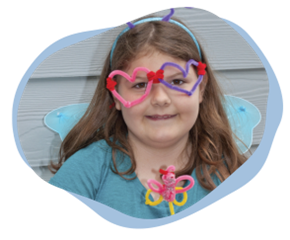
DreamPower™ helps children learn how to make their dreams come true without a fairy! Dreams come true when vision, belief, focus, and action work together, empowering children to move toward their dreams with confidence and intention.
Skill Book 17: Creating Your Vision – What Do You Want?
Story: A Tale of Two Voyages
Many children move through life reacting to what happens around them without a clear vision of where they are headed. In this skill, children learn that having a vision gives direction to their choices and helps them create more meaningful experiences.
Through the story A Tale of Two Voyages, children follow two ships that grew up together and set out on their solo maiden voyage at the same time, yet have very different journeys based on their vision and plan. The story helps children understand how vision, intention, and preparation shape outcomes, both at sea and in life.
The coaching process helps children clarify what they want for themselves and begin creating a vision for their lives. Activities guide children in identifying goals, dreams, and values that matter to them, reinforcing that when children know where they are going, they can make choices that move them in the right direction.
Skill Book 18: Goal Setting – How to Turn Your Vision into Action!
Story: I Wanna Donna
Children discover that having a vision is powerful, but it is action that turns dreams into reality.
Through the story I Wanna Donna, children learn that wishing alone doesn’t create results. The story helps children understand the importance of making a plan and taking steps toward what they want. Children see how effort, persistence, and follow-through make the difference between hoping for something and achieving it.
The coaching process teaches children specific steps for breaking goals into manageable tasks and tracking their progress using both a list method and a calendar method. Children also learn how to handle disappointment if they don’t reach a goal, celebrate progress along the way, and enjoy the journey. Hands-on activities guide children in creating their own goal plans, with opportunities to continue practicing these skills at home. Children learn that when they plan their goals, they plan their success.
Skill Book 19: Law of Attraction – Using Attraction and Action to Manifest Your Goals
Story: Turning Off the Grungy Channel
Children often don’t realize that their thoughts and feelings act like a television channel they are tuned into all day long. In this skill, children learn that whatever they focus on, positive or negative, is what they are more likely to experience.
Through the story Turning Off the Grungy Channel, children explore the Law of Attraction using a television analogy. Just as a TV can only show one channel at a time, children learn that their minds “receive” whatever thought channel they tune into. When they focus on worry, fear, or self-doubt, they tune into the grungy channel. When they focus on what they want and believe it’s possible, they tune into the power channel.
The coaching process introduces children to four key steps for tuning their thought channel: focus on it, believe it, act on it, and receive it. Children learn how thoughts and feelings must work together, why action is essential, and how acting as if they already believe builds confidence and positive energy.
Guided activities help children practice shifting their focus, choosing empowering thoughts, and taking aligned action toward their goals. Children discover that the Law of Attraction is a skill they can use intentionally to support motivation, confidence, and progress.
Skill Book 20: Visualization – How Winning in Your Mind Creates Winning in Life
Story: I Hope Holly Helps Herself
When children feel nervous about going for a new goal, it can be hard for them to imagine things going well. In this skill, children learn that their minds can be trained to prepare for success before it ever happens.
Through the story I Hope Holly Helps Herself, children discover the power of visualization, imagining themselves in the future having already achieved their goal. They learn that scientific research shows the brain cannot tell the difference between an experience that is vividly imagined and one that is real. By practicing success in their minds, children begin building the neural pathways that prepare them to succeed in real life.
The coaching process helps children use visualization as a practical tool for managing change, moving through fear, and going for their goals. Reinforcing that when children learn to “win in their mind,” they are better prepared to win in life.
Skill Book 21: Affirmations – How to Program Your Mind to Reach Your Goals
Story: It Ain’t Happen’ Harry Learns Affirmations
Many children repeat discouraging messages to themselves without realizing how much those words shape what they believe is possible.
Affirmations are positive statements children say to themselves that communicate what they want and believe is possible. In this skill, children learn how affirming their goals and dreams each day helps program their minds for success.
Children discover that affirmations create positive energy around their goals while “programming and priming” both their conscious and subconscious minds to support what they are working toward. Through the story It Ain’t Happen’ Harry Learns Affirmations, children see how negative inner messages can hold them back, and how choosing intentional, empowering words helps shift belief and motivation.
The coaching process teaches children how to create effective affirmations that align with their goals and dreams. Guided activities help children practice using affirmations alongside visualization, reinforcing new thought patterns that support confidence, focus, and forward progress.
Skill Book 22: Gratitude – How an Attitude of Gratitude Prepares You for Your Dreams
Story: Gotta Have Gary Gets Gratitude
Gratitude is being thankful for what you already have, and it’s more than just saying “thank you.” In this skill, children learn that gratitude is a feeling, and when they feel sincere gratitude, it creates positive energy throughout their body and mind.
Through the story Gotta Have Gary Gets Gratitude, children follow Gary as he becomes frustrated because all of the things he thinks he “gotta have” aren’t showing up. With guidance from Wyatt the Wise Wizard, Gary learns that being sincerely grateful for what he has now helps shift his energy and opens the door to attracting more of what he wants. The story helps children understand how to balance wanting more with appreciating what is already present.
The coaching process helps children experience how gratitude can shift their mood, reduce stress, and help them move past disappointment. Hands-on activities invite children to practice using “gratitude goggles,” reinforcing that when children live with gratitude, they feel happier, more resilient, and better prepared to move toward their dreams.
Slaying Dragons™ – Learning to bust through fear, mistakes, failure, and change
Slaying Dragons™ helps children develop the resilience and courage they need to face life’s challenges, especially when things don’t go as planned.
Every child encounters fear, mistakes, disappointment, change, and moments of self-doubt. Slaying Dragons™ teaches children that these experiences are not signs of failure, but opportunities to grow stronger, wiser, and more confident in themselves. Rather than avoiding challenges or staying in negative emotions, children learn how to move through hard moments with awareness and skill.
Through this segment, children learn what fear really is and how to manage it instead of letting it take control. They discover how to handle mistakes without shame, recover from disappointment or failure, and adapt to changes with greater flexibility and confidence. “Learn from it and let it go”. Children also learn how certain thinking patterns like conditional “if…then” thinking can hold them back.
Slaying Dragons™ equips children with practical coping tools and mindset skills they can use when life feels difficult. By learning how to think differently during tough moments, children build resilience, emotional strength, and the confidence to keep going, knowing they have what it takes to handle whatever comes next.

Skill Book 23: Overcoming Mistakes – How to Learn from Mistakes and Let Them Go
Story: The Weight of Mistakes
Children often define themselves as their mistakes, crushing their confidence and their self-esteem. In this skill, children learn that everyone makes mistakes and that they are an opportunity to learn and grow.
Through the story The Weight of Mistakes, children discover how holding onto mistakes can feel heavy and discouraging, while learning from them and letting them go creates relief and freedom. The story helps children understand that mistakes do not define who they are. Mistakes are experiences they can learn from.
The coaching process introduces children to the Five I’s of Managing Mistakes, a simple, step-by-step way to reflect on what happened, learn from it, and release it. Experiential activities give children opportunities to practice learning from mistakes and letting them go.
Skill Book 24: Managing Fear – How to Create Courage and Bust Outside of Your Comfort Zone
Story: The Knight and Three Dragons
Life is filled with challenges, and sometimes the strongest opponents children face are not outside of them, but inside their own minds. In this skill, children learn that fear often comes from “dragons” created by their thoughts, and that courage is something they can learn and practice.
Through the story The Knight and Three Dragons, children follow Jackson as he faces the Dragon of Fear, the Dragon of Doubt, and the Dragon of Judgment on his journey. The story helps children understand that everyone experiences fear, self-doubt, and worry about what others think, but these dragons only have power when they are believed.
The coaching process teaches children three common thought patterns that create fear and a five-step process for moving through fear and creating courage. Children learn that when they feel fear, they can take action; when they feel doubt, they can believe in themselves and visualize success; and when they feel judged, they can remember that the most important opinion is their own. Hands-on activities help children practice stepping outside their comfort zones, reinforcing that their goals and dreams live on the other side of fear.
Skill Book 25: Moving Past Failure – How to “Put It in a Box” and Keep on Going
Story: Afraid to Fail Fred
Disappointment and failure are part of life, but many children begin to believe that failure says something about who they are. In this skill, children learn that failure is an event, not an identity, and that it only becomes a true failure if it stops them from moving toward their goals and dreams.
Through the story Afraid to Fail Fred, children follow Fred as he develops a fear of failure after several embarrassing experiences. With guidance from Wyatt the Wise Wizard, Fred learns how to separate what happened from who he is. He discovers that when he can learn from a disappointment and then let it go, he can move forward with confidence and power.
The coaching process teaches children the Put-It-in-a-Box™ strategy—a simple, memorable way to contain a failure, learn from it, and release it so it doesn’t linger or define them. Experiential activities allow children to create their own “box” as a visual reminder that setbacks can be learning experiences without being carried forward, reinforcing resilience, self-compassion, and perseverance.
Skill Book 26: Managing Change – How to Embrace Change and Thrive
Story: Changes in Paradise
Change can feel scary and uncomfortable, especially when it’s unexpected. In this skill, children learn that change is a natural and necessary part of life, and that they cannot create who they want to become by staying where they are.
Through the story Changes in Paradise, children follow a group of friends: Olli the Ostrich, Carla the Cat, Griffin the Grizzly Bear, Tanya the Tortoise, and Rob the Rabbit as they face a sudden change when their forest closes down. Each character responds differently, helping children see that there is no “right” or “wrong” first reaction to change.
The coaching process teaches children three steps for managing change and explains that change often creates fear or anxiety because the brain doesn’t yet have neural pathways for what’s new. Children learn that they can choose their power by choosing how they experience change and that accepting and embracing change allows them to move forward with confidence. Hands-on activities help children practice the managing change process, reinforcing that growth always requires change.
Skill Book 27: Conditional Thinking – How “If…Then” Thinking Keeps You from Happiness
Story: If Then Ben (Parts 1 & 2)
Many children believe certain conditions must be met before they can try, succeed, or feel happy. Thoughts like, “If I were better,” “If I had more friends,” or “If things were different,” can keep children from going after what they want.
In this skill, children learn that this type of thinking, called conditional thinking, steals their power by making happiness and success dependent on circumstances outside of their control. Through the story If Then Ben, children follow Beaver Ben as he learns that happiness comes from within and is not a condition of what he has or doesn’t have.
The coaching process helps children learn how to spot conditional thinking by listening for the words “if” and “then.” Children practice using power shifting to regain their power, focus on what they do have rather than what they don’t, and reconnect with possibility. Hands-on activities help children break through limiting beliefs and move forward toward their dreams with confidence and choice.
Bringing the 27 Mindset Skills Together
The 27 mindset skills taught through the Adventures in Wisdom Life Coaching for Kids Curriculum work together to support the whole child—how they think, feel, decide, and respond to life’s challenges.
Since 2013, these skills have been used by coaches and families to support children’s confidence, resilience, and emotional development in real-world situations.
From understanding how their mind works, to building confidence and self-esteem, to setting goals and navigating fear, change, and disappointment, each skill builds on the next. Organized through the WISDOM System for Coaching Kids™, these skills are taught through stories, coaching conversations, and hands-on practice that help children apply what they are learning in real life.
For coaches, the 27 skills provide a clear, proven pathway for guiding meaningful coaching journeys with children. For parents, they offer reassurance that children are learning practical, empowering skills they can use at school, at home, and throughout their lives.
Together, these skills help children develop confidence, resilience, emotional awareness, and a strong sense of personal power—so they are better prepared to navigate life, pursue their dreams, and become who they are meant to be.

FAQ: The 27 Mindset Skills & the WISDOM System for Coaching Kids™
The following questions address common questions parents and professionals ask about mindset skills for kids and the 27 skills framework.